

By Brooks Crankshaw, Managing Director, Forbes Partners
In 2025, commercial HVAC transaction activity remained steady, with 139 announced deals nationwide. ¹ At a glance, that suggested a stable market. But while deal volume didn’t surge, the way buyers evaluated companies evolved in meaningful ways, and that shift has real implications for middle-market owners.
For years, the industry was described as “fragmented,” which made it attractive for consolidation. Buyers focused on rolling up local operators, expanding geography, and building scale. That dynamic still exists. What has changed is the lens through which buyers view the business. Commercial HVAC companies are increasingly seen as part of critical infrastructure. Data centers, healthcare systems, manufacturing facilities, and energy projects rely on reliable mechanical systems to operate. ² When your work supports mission-critical environments, you are tied tolong-term operational needs rather than short-term construction cycles. Businesses in that position tend to benefit from:
- Longer service relationships
- Recurring maintenance revenue
- Higher customer retention
- Greater resilience during economic slowdowns
That stability has become a central driver of value.
Buyers Are More Disciplined
Capital remains active, but underwriting has tightened compared to earlier phases of consolidation. A strong reputation and steady growth are still important, but buyers now dig deeper into how the business is structured and how durable its earnings truly are.
Today’s buyers focus heavily on:
- The percentage of recurring service revenue versus project revenue
- Contract renewal rates and customer concentration
- Management depth beyond the owner
- Quality and consistency of financial reporting
- Operating systems and technology infrastructure
As a result, two companies with similar revenue can receive very different valuations depending on how they operate. The market is rewarding durability and scalability more explicitly than it did several years ago.
Recurring Revenue Is the Most Powerful Lever
If there is one consistent theme in today’s M&A environment, it is the importance of recurring service revenue. Maintenance agreements and repeat service work provide visibility into future cash flow, which lowers perceived risk for buyers. Lower risk typically supports stronger pricing and more favorable deal terms.
Companies that have intentionally built a meaningful base of contracted service revenue tend to:
- Attract a broader buyer universe
- Generate more competitive processes
- Maintain stronger negotiating leverage
Recurring revenue doesn’t just stabilize cash flow – it strengthens your position in a transaction.
Structure and Systems Influence Value
Integrated systems for dispatch, field service management, CRM, maintenance tracking, and financial reporting are increasingly expected. Strong systems improve:
- Technician productivity
- Margin visibility
- Renewal tracking
Just as importantly, they reduce transition risk. Buyers evaluate how smoothly a company can integrate into a broader platform. Clean reporting and reliable systems increase confidence in that process. ³
Preparation Separates Outcomes
The market for commercial HVAC businesses remains attractive. What has changed is that buyers expect preparation and structure. Owners who achieve the strongest outcomes typically begin preparing well before going to market.
Practical steps that often strengthen valuation include:
- Expanding recurring service revenue
- Reducing reliance on the owner for day-to-day decisions
- Developing leadership depth
- Improving financial reporting clarity
- Implementing integrated operating systems
You do not need to become a large national platform to command strong value. But operating like a scalable, well-structured business materially changes how buyers evaluate you.
Commercial HVAC continues to attract capital, and opportunities to sell at attractive valuations remain very real. However, today’s market rewards businesses that demonstrate durability, discipline, and scalability. Those qualities can be developed intentionally, and for owners considering a sale in the next few years, the work done now often has an outsized impact on the eventual outcome.
Preparation does not guarantee a transaction, but in a more selective market, it often determines whether the result is simply good or truly exceptional. For owners contemplating a sale, now is an opportune time to evaluate strategic options and position the business for future success.
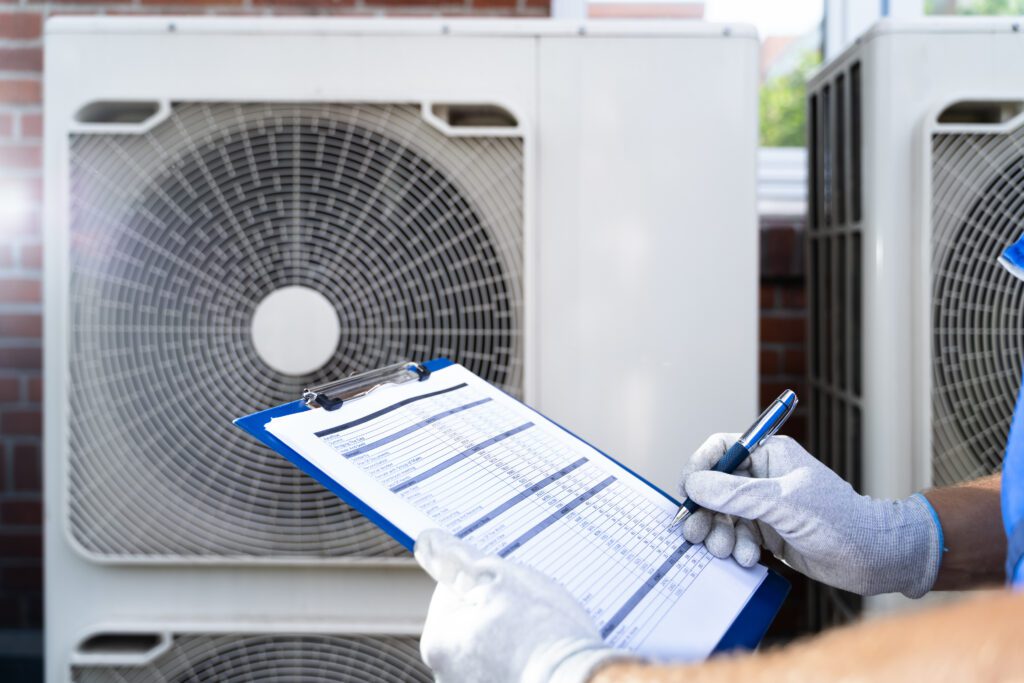
Selling your HVAC business is a big step — and the better prepared you are, the smoother it goes. We have a readiness checklist to help you identify your strengths, uncover opportunities to enhance value, and position your business to stand out to qualified buyers when the time comes. Think of this as your friendly roadmap to getting “sale ready.”’
Brooks Crankshaw is a Managing Director at Forbes Partners in Denver, Colorado. He has more than 30 years of experience advising business owners on selling their company, raising capital, and growing through acquisition. Brooks’ deep focus on field services — including HVAC/R, electrical, plumbing, roofing, and landscaping — has earned him a reputation as a trusted expert in the industry. He takes pride in helping business owners successfully navigate their next chapter.
Footnotes
- S&P Capital IQ, U.S. Commercial HVAC Transaction Data, 2025 (139 announced transactions).
- International Energy Agency, Electricity 2024 Report (data center electricity demand outlook through 2026).
- ServiceTitan, Commercial HVAC Industry Insights, 2025 (technology and operational efficiency commentary).